Wednesday, March 23, 2011

DUN Sarawak dibubar

DUN Sarawak dibubar
Mac 21, 11 12:57pm

Dewan Undangan Negeri (DUN) Sarawak dibubarkan hari ini untuk membolehkan pilihan raya DUN ke-10 diadakan.

NONESpeaker DUN Sarawak Datuk Seri Mohamad Asfia Awang Nassar berkata pengisytiharan pembubaran DUN Sarawak yang ditandatangani oleh Yang Dipertua Negeri Sarawak Tun Abang Muhammad Salahuddin Abang Barieng telah diterima pada pagi ini.

"Pembubaran DUN Sarawak pada 21 Mac iaitu hari ini mengikut perkara 21(2) Perlembagaan Negeri Sarawak," katanya pada sidang media di bangunan DUN baru di Kuching hari ini.

Asfia berkata pengisytiharan pembubaran DUN Sarawak akan diserahkan kepada Pengerusi Suruhanjaya Pilihan Raya Tan Sri Abdul Aziz Mohd Yusof pada petang esok.

"Tempat dan masa pertemuan belum dapat ditentukan tapi ia akan diserahkan esok," katanya lagi.

Asfia berkata selepas penyerahan pengisytiharan itu Suruhanjaya Pilihan Raya (SPR) akan menentukan tarikh penamaan calon dan pengundian.

azlanPada Sabtu lalu, Ketua Menteri Tan Sri Abdul Taib Mahmud mengumumkan DUN Sarawak dibubar pada hari ini bagi membolehkan pilihan raya negeri ke-10 diadakan.

Ketika ini, BN negeri menguasai 63 daripada 71 kerusi DUN selepas ADUN Engkilili Dr Jonical Rayong Ngipa, yang bertanding atas tiket parti pembangkang Parti Kebangsaan Sarawak (SNAP), menyertai BN tahun lalu.

DAP menguasai enam kerusi manakala PKR dan Parti Cinta Malaysia (PCM), menerusi wakil rakyat Bebas, masing-masing menguasai satu kerusi.

DUN Sarawak dengan 71 anggota sedia ada akan tamat pada 23 Julai ini.

Pilihan raya negeri yang lepas diadakan pada 20 Mei 2006.

- Bernama


http://malaysiakini.com/news/159201

MP Bdr Kuching: Persaraan Taib muslihat lama

Stephen Tiong
Mac 20, 11
8:23pm

Ahli parlimen Bandar Kuching, Chong Chieng Jen berkata beliau tidak hairan dengan pengumuan hasrat Tan Sri Abdul Taib Mahmud untuk berundur daripada jawatan ketua menteri Sarawak.

Chong Chieng Jen speaking to reporters in KuchingBeliau telah membuat kenyataan sebegitu 20 tahun lepas, dan
beliau masih membuatnya (pengumuman) 20 tahun kemudiannya. Saya tak tahu sama ada beliau masih akan membuat kenyataan tersebut 20 tahun kemudiannya selepas membuat kenyataan itu sekarang,” kata Chong (kanan).

Katanya, bagi Taib membuat kenyataan sejurus sebelum pilihan raya negeri adalah satu petunjuk yang beliau sendiri sedar yang beliau telah terlalu lama menyandang jawatan tersebut.

“Tiga puluh tahun sebagai ketua menteri, sudah mencukupi. Tambahan pula, terdapat banyak soalan yang tidak terjawab mengenai harta keluarganya di dalam dan luar negara," kata Chong, yang juga setiausaha DAP Sarawak.

Katanya, kenyataan Taib tidak memberi sebarang makna dan satu-satunya cara supaya Taib benar-benar meletakkan jawatan ialah jika pembangkang menafikan BN majoriti dua pertiganya dalam dewan undangan negeri, atau jika parti pemerintah kalah sekurang-kurangnya 24 daripada jumlah 71 kerusi.

“Ini akan memaksa beliau meletakkan jawatan,” katanya.

najib abdul razak and taib mahmud in sarawak 190311“Dan beliau akan 100 peratus bersara atau meletakkan jawatan jika
pembangkang menang sekurang-kurangnya 36 kerusi untuk menumbangkan BN," tambahnya.

Chong berkata kemenangan besar BN dalam pilihan raya negeri akan meningkatkan peluang untuk Taib mengekalkan jawatannya.

"Gesaan saya kepada rakyat ialah jika anda mahu Taib berundur, beri kemenangan kepada pembangkang di sekurang-kurangnya 24 kerusi, jika pun tidak 36 kerusi, dalam pilihan raya negeri yang akan datang," tambahnya.

[Baca berita penuh]


http://malaysiakini.com/news/159173

WiFi percuma untuk semua, termasuk kawasan BN

Mac 20, 11 6:23pm

Ketua Menteri Pulau Pinang Lim Guan Eng membidas agensi berita nasional Bernama dan akhbar harian bahasa Inggeris, New Straits
Times
kerana melaporkan kerajaan negeri tidak memasukkan kawasan pilihan raya BN untuk mendapatkan perkhidmatan jalur lebar Wifi secara percuma.


NONELim (kiri), yang juga setiausaha agung DAP, turut mengecam
pemimpin BN atas 'taktik tidak jujur' mereka menggunakan kawalan mereka atas media untuk melakukan penipuan.

Lim berkata, kerajaan negeri tidak terperanjat bila akhbar seperti New Straits Times berterusan menyerang kerajaan negeri bagi sesuatu yang ia tidak dilakukannya, tetapi sebenarnya cuba membetulkannya.

"Tetapi bagi agensi berita nasional seperti Bernama untuk tidak menyiarkan penjelasan kerajaan negeri bahawa inisiatif WiFi bebas itu adalah untuk semua, termasuk kawasan parlimen BN, menunjukkan bahawa pilihan raya umum semakin hampir dan Bernama patut dikenali BNnama," kata Lim, dalam satu kenyataan hari ini.

"Kerajaan Pakatan Rakyat Pulau Pinang adalah untuk semua penduduk Pulau Pinang, termasuk penyokong BN," jelas Lim.

Beliau mengulas laporan yang memetik pengerusi Pasukan Petugas Komunikasi Pulau Pinang, Jeff Ooi sebagai didakwa berkata tiada gunanya melabur wang di Kepala Batas, Tasik Gelugor dan Nibong Tebal buat masa ini.

Laporan tersebut dibidas oleh beberapa pemimpin BN yang mengkritiknya sebagai "tidak adil", malah "merbahaya dan kebudak-budakan".

Ooi, yang juga ahli parlimen Jelutong dilaporkan berkata jika kerajaan negeri mempunyai sumber, ia akan menyediakan perkhidmatan percuma, tetapi inisiatif itu kini ditumpukan ke kawasan pilihan raya yang diwakili Pakatan.

"Jika penduduk di kawasan tersebut mahukan WiFi, mereka hendaklah mengundi Pakatan," Ooi dipetik sebagai berkata dalam akhbar The Star.

[Baca berita penuh]


http://malaysiakini.com/news/159158

Kerajaan belum cadang mansuh tol NPE

Kerajaan belum cadang mansuh tol NPE

Kerajaan belum bercadang memansuhkan kutipan tol di seluruh Lebuhraya Pantai Baharu (NPE) memandangkan pendapatan daripada tol itu akan diagihkan bagi membiayai projek pembangunan kerajaan di seluruh negara.

NONEMenteri Kerja Raya Datuk Shaziman Abu Mansor bagaimana berkata kerajaan telah memansuhkan kutipan tol NPE arah Kuala Lumpur pada 14 Feb lalu dan mengurangkan bayaran tol NPE arah Sunway daripada RM1.60 kepada RM1 pada 17 Feb lalu.

"Ini merupakan satu langkah progresif yang dijalankan kerajaan sejajar dengan matlamat 'Rakyat Didahulukan' dalam mengurangkan beban yang ditanggung rakyat," katanya ketika menjawab soalan Hee Loy Sian (PKR-Petaling Jaya Selatan) pada persidangan Dewan Rakyat hari ini.

Hee ingin tahu sama ada kerajaan bercadang memansuhkan kutipan tol di semua Lebuhraya NPE yang dituntut oleh penduduk di Taman Medan dan Taman Dato' Harun.

parliament srjkc damansara pc 270508 chin keh kong and tony pua and hee loysianMenjawab soalan tambahan Hee (kanan) yang meminta penjelasan mengapa kerajaan tidak memansuhkan kutipan tol ini sedangkan ia membebankan rakyat, Shaziman berkata ia tidak dapat dilaksanakan pada masa ini kerana proses tersebut melibatkan kos yang tinggi.

Kerajaan katanya yang komited dalam menangani beban kutipan tol yang dihadapi pengguna di lebuh raya lain turut mengkaji bagi mencari jalan-jalan alternatif tidak bertol yang boleh dilalui pengguna.

Selain itu katanya kerajaan juga menjamin kadar tol di Lebuhraya Utara- Selatan dan Lebuhraya MTD tidak akan dinaikkan buat masa ini.

- Bernama


http://malaysiakini.com/news/159234

Batalkan loji nuklear, kata KM Pulau Pinang

Batalkan loji nuklear, kata KM Pulau Pinang
Mac 21, 11 3:57pm

Kerajaan persekutuan sepatutnya membatalkan hasratnya membina dua loji tenaga nuklear di negara ini, kata Ketua Menteri Pulau Pinang, Lim Guan Eng.

Pada masa yang sama, Lim berkata jika ada sebarang perancangan bagi membina loji itu di tanah Pulau Pinang, ia akan terus ditolak.

NONE“Kerajaan negeri ingin menyatakan pendirian bahawa kita tidak akan bersetuju dengan rancangan kerajaan persekutuan bagi membina loji teanaga nuklear di negara ini.”

Dalam surat terbukanya kepada Menteri Teknologi Hijau, Tenaga dan Air, Datuk Peter Chin Fah Kui, setiuasha agung DAP itu juga melahirkan kebimbangannya mengenai tahap keselamatan rakyat Malaysia.

"Mengambil kira Jepun - di sebalik kepakaran dan kecanggihan teknologinya - kini menghadapi krisis nuklear yang paling buruk sejak tragedi Chernobyl 25 tahun lalu. Justeru, rancangan Malaysia bagi membina loji sendiri mesti dibatalkan.

"Kita mesti ambil kira juga bahawa kehebatan kita dalam bidang pelakuran nuklear masih terhad jika dibandingkan dengan Jepun.

“Lebih-lebih lagi, negara yang lebih maju dari segi teknologi seperti Jerman dan China, negara ekonomi kedua terbesar di dunia telah membatalkan rancangan (membina loji nuklear) di negara masing-masing.

"Keselamatan rakyat Malaysia mesti menjadi keutamaan dan kita tidak patut mengambil risiko memperjudikan nasib mereka,” katanya.

[Baca berita penuh]


http://malaysiakini.com/news/159232

S'pura tak lagi bergantung air import M'sia - 2061

Mac 21, 11 3:38pm

Singapura akan memiliki bekalan air yang mencukupi walaupun andainya tiada perjanjian pembekalan air baru ditandatangani apabila Perjanjian Pembekalan Air dengan Malaysia tamat tempohnya pada 2061 nanti, kata Menteri Kanan Goh Chok Tong.

Di bawah perjanjian pembekalan air kedua yang ditandatangani pada 1962, Singapura dibenar untuk mendapatkan bekalan 250 juta gelen air dari Sungai Johor.

"Pelaburan dalam teknologi dan infrastruktur air akan membolehkan negara meneruskan usahanya kearah mencapai tahap mampu diri,” kata Chok Tong yang dipetik oleh Channel NewsAsia semalam.

- Bernama


http://malaysiakini.com/news/159226

Blogger setuju tidak terbit semula artikel fitnah Rais

Mac 21, 11 1:15pm

Seorang penulis blog, yang disaman oleh Menteri Penerangan Komunikasi dan Kebudayaan Datuk Seri Rais Yatim berhubung satu artikel yang didakwa memfitnah beliau, bersetuju berhenti daripada menyiarkan tulisan itu, demikian menurut peguam bagi menteri itu hari ini.

NONEBadrul Munir Bukhari, peguam yang mewakili Rais (kiri), berkata Hakim Mahkamah Tinggi Datin Zabariah Mohd Yusof membenarkan permohonan yang dikemukakan oleh Rais bagi menghalang Amizudin Ahmat daripada terus menyiarkan artikel dalam blog, sharpshooterblogger.blogspot.com. sehingga saman oleh Rais terhadap Amizudin selesai.

Badrul Munir memberitahu pemberita bahawa permohonan itu dibenarkan berdasarkan persetujuan kedua-dua pihak.

Amizudin diwakili peguam Gan Chee Wei. Mahkamah menetapkan 6 April ini untuk pengurusan kes tuu.

Pada 2 Feb lalu, Rais berjaya dalam permohonannya di Mahkamah Tinggi untuk mengarahkan Amizudin mengeluarkan daripada blognya artikel berkenaan dan gambar Rais.

Hakim juga membenarkan permohonan Rais bagi menghalang Amizudin atau ejennya daripada terus menyiarkan artikel didakwa berunsur fitnah itu atau yang seumpamanya terhadap beliau sehingga permohonan inter-parte itu selesai.

Pada 31 Jan, Rais memfailkan saman fitnah terhadap Amizudin, yang juga anggota jawatankuasa sayap pemuda Parti Keadilan Rakyat (PKR) berhubung artikel yang disiarkan dalam blog Amizudin, bersama gambar Rais, sekitar 28 Dis tahun lalu.

Beliau menuntut antara lainnya ganti rugi am, ganti rugi khas, ganti rugi teruk selain perintah terhadap defendan supaya mengeluarkan daripada blognya artikel itu dan melarangnya daripada terus menyiarkannya.

Dalam kenyataan tuntutannya, Rais, 69, berkata maksud artikel dalam bahasa Melayu yang bertajuk 'Hei Pak Menteri... mana mau lari...' itu berniat jahat dan memfitnah beliau.

Katanya tulisan itu membawa makna beliau bersalah melakukan jenayah serius merogol dan mampu membunuh pembantu rumah beliau dari Indonesia.

Rais juga berkata tulisan fitnah itu membawa maksud beliau seorang manusia dan/atau pemimpin yang tidak bermoral.

Menteri itu berkata bahawa ekoran daripada penerbitan artikel itu, reputasi beliau sebagai seorang individu dan/atau sebagai seorang profesional di peringkat nasional dan antarabangsa telah tercemar teruk, dan membuat beliau malu dan tertekan.

Rais telah menafikan alegasi itu selepas seorang penulis blog menamakan beliau.

Ekoran itu, seorang wanita yang pernah bekerja dengan beliau selama lapan tahun, dilaporkan oleh sebuah portal berita Indonesia, telah menafikan yang beliau pernah dilayan buruk atau dirogol oleh majikannya.

- Bernama

http://malaysiakini.com/news/159204

Jamil Khir: Sah akad nikad di mana saja

Jamil Khir: Sah akad nikad di mana saja
Mac 21, 11 1:03pm

Menjadikan masjid sebagai lokasi akad nikah adalah tidak salah kerana perkara itu sah dilakukan di mana-mana sahaja, kata Menteri di Jabatan Perdana Menteri Datuk Seri Jamil Khir Baharom.

Beliau berkata tindakan itu sebaliknya memudahkan tugas imam yang terpaksa menjalankan upacara akad nikah lebih daripada sekali pada hari yang sama.

NONE"Kalau imam terpaksa menikahkan banyak pasangan pada hari yang sama, lebih mudah ia diadakan setempat seperti di masjid.

"Kita lihat secara keseluruhan, ia dapat menjimatkan masa selain menjadi salah satu pendekatan dakwah sebab bila ke masjid kena tutup aurat," katanya kepada pemberita di Alor Setar hari ini.

Beliau mengulas kenyataan anggota Majlis Fatwa Perlis, Datuk Ahmad Jusoh semalam yang mengatakan menjadikan masjid sebagai lokasi akad nikah adalah menyimpang dari amalan Rasulullah.

Ahmad dilaporkan berkata Rasulullah pernah mengingatkan umat Islam supaya tidak melakukan akad nikah dalam masjid kerana ia meniru penganut Kristian yang menikah dalam gereja dan Yahudi di rumah ibadat mereka.

'Islam haruskan akad di masjid'

Sementara itu, Mufti Kerajaan Kelantan Datuk Mohamad Shukri Mohamad berkata Islam mengharuskan akad nikah dilakukan di masjid

Beliau berkata tiada halangan mana-mana pasangan Islam untuk melangsungkan perkahwinan di masjid, malah lebih digalakkan lagi kerana ia boleh memberi manfaat dalam bidang pengurusan.

"Dari satu segi yang mudah, akad nikah di masjid dapat menghimpunkan banyak pasangan untuk melangsungkan perkahwinan dalam satu masa berbanding di rumah masing-masing dan bacaan khutbah dapat disampaikan imam atau jurunikah serentak.

"Lagipun rumah ibadah Islam itu boleh diadakan pelbagai kegiatan agama dan kemasyarakatan sejak di zaman Rasulullah lagi," katanyadi Kota Bharu, Kelantan hari ini.

Sehubungan itu, beliau berharap umat Islam melihat perkara itu dari sudut positif bagi mengelakkan ia mengelirukan mereka sendiri.

- Bernama


http://malaysiakini.com/news/159202

Rakaman aksi seks pemimpin utama pembangkang?

Rakaman aksi seks pemimpin utama pembangkang?
Mac 21, 11 12:31pm

Satu rakaman video aksi seks yang didakwa membabitkan seorang pemimpin utama pembangkang dengan seorang wanita muda yang tidak dikenali didedahkan kepada pihak media pagi ini.

Berikutan itu, pihak yang mendedahkan rakaman tersebut mendesak ahli politik berkenaan meletak jawatan dalam tempoh seminggu jika tidak mahu klip video didedahkan kepada umum.

NONEKlip video tersebut ditayangkan untuk tontonan pihak media pagi ini di hotel Seri Carcosa Negara di ibunegara. Wartawan menonton video selama 20 minit itu secara bergilir mengikut kumpulan.

Menurut satu sumber, klip lebih jelas daripada rakaman video presiden MCA Dr Chua Soi Lek yang juga dirakam melakukan hubungan seks dengan seorang wanita di sebuah hotel di Batu Pahat dan diedarkan sekitar Disember 2007.

Wartawan yang telah menyaksikan video itu berkata lelaki dalam video itu kelihatan seperti pemimpin utama pembangkang tersebut.

Beberapa pihak menamakan ahli politik tersebut dalam twitter mereka, dan parti pimpinannya mendakwa ia klip video palsu.

Wartawan kanan dan editor akhbar dari Utusan Malaysia, New Straits Times dan Berita Harian adalah kumpulan pertama yang melihat klip tetapi enggan mengulasnya ketika ditanya mengenainya.

Serah semua alat elektronik

Wartawan juga diminta menyerahkan semua alat-alat elektronik seperti telefon bimbit dan kamera serta pen mereka dan buku nota mereka.

Mereka seterusnya diminta memakai jubah atas pakaian mereka sebelum mereka dibenarkan masuk ke bilik rakaman tersebut ditayangkan.

seri carcosa 9.jpegKumpulan kedua pula terdiri daripada wartawan The Malaysian Insider, Free Malaysia Today, dan seorang editor kanan dari agensi berita nasional, Bernama.

Wartawan Malaysiakini pula masuk bersama kumpulan ketiga dan terakhir bagi media tempatan.

AFP telah diberitahu bahawa rakaman video tersebut akan ditayangkan kepada media antarabangsa pada jam 2 petang ini.

Sementara itu, akhbar the Star melaporkan bahawa klip video selama 30 minit itu menunjukkan lelaki yang didakwa seorang pemimpin pembangkang, yang juga seorang ahli parlimen, sedang melakukan pelbagai aksi seks.

Menurut akhbar tersebut, video itu yang dirakamkan pada 21 Februari, ditemui di sebuah bilik hotel di Kuala Lumpur.

Menurut the Star, wakil media dibawa ke sebuah bilik hotel untuk menyaksikan video tersebut yang ditayangkan oleh satu kumpulan yang tidak dikenali, yang diketuai oleh seorang yang mahu dikenali sebagai Datuk T.

Orang dalam video

Akhbar itu juga melaporkan Datuk T berkata beliau mahu pihak media menonton video membabitkan ahli politik berkenaan sebelum menghantar salinan kepadanya dan isterinya “untuk mengenal pasti orang dalam video” tersebut dalam tempoh seminggu dari sekarang.

Katanya, jika individu dalam video tersebut adalah ahli politik yang dikenalpastinya kepada media, "maka beliau dan isterinya mesti berundur dari politik."

Datuk T berkata jika mereka tidak berbuat demikian, beliau akan meminta beberapa NGO menubuhkan sebuah panel bebas untuk menyiasat dan mendapatkan khidmat forensik profesional untuk mengkaji ketulenan rakaman tersebut.

Datuk T mendakwa beliau memenui video tersebut selepas diminta oleh ahli politik berkenaan untuk mencari jam tangannya dalam bilik itu - tempat aksi seks itu berlaku.

Katanya, beliau tidak menemui jam tersebut di atas meja dan ketika mencarinya, dia terjumpa alat perakam CCTV yang aktif dan membawanya keluar dari hotel itu.

Datuk T juga berkata, hanya dia seorang sahaja yang memiliki rakaman tersebut.


http://malaysiakini.com/news/159198

Video seks: ABIM ingatkan jenayah qazaf

Mac 22, 11 4:47pm

Angkatan Beliau Islam Malaysia (ABIM) mengingatkan tentang kesalahan Qazaf dalam sistem perundangan Islam yang menanti pembuat "dakwaan liar'' di luar prosiding perundangan tanpa saksi mencukupi.

Presiden ABIM Dr Muhamad Razak Idris berkata, hal itu selari prinsip utama Maqasid Syariah atau tujuan Undang-undang Islam bagi untuk melindungi maruah individu dan memelihara hubungan antara manusia.

NONE"Dalam hal ini, ABIM memandang berat sebarang pertuduhan serta dakwaan liar berupa fitnah yang dilakukan di luar lingkungan prosiding perundangan yang telah digariskan seperti membawa para saksi yang mencukupi di samping ikrar daripada individu yang dituduh," katanya.

Mengulas pananyangan video seks yang dikaitkan dengan Datuk Seri Anwar Ibrahim yang juga bekas pemimpin ABIM, Dr Muhamad Razak berkata, kegagalan memenuhi prasyarat yang ditetapkan akan meletakkan pihak yang terlibat dalam hukuman jenayah Qazaf.

Ia juga turut menafikan haknya sebagai saksi di masa-masa akan datang, tambah Dr Muhamad Razak.

NONEDalam konteks perundangan negara yang unik pula, tambahnya, mangsa tuduhan berhak mendapat perbicaraan dan membela dirinya sama ada melalui perundangan sivil atau erbicaraan Mahkamah Syariah.

"Justeru, ABIM menggesa agar semua pihak menghormati segala ketetapan syariah yang telah digariskan oleh Syariah untuk kebaikan bersama," katanya.

"ABIM juga meminta sebarang perbincangan serta perbicaraan kes hanya dilakukan oleh autoriti-autoriti yang berkenaan menerusi perundangan yang telah ditetapkan di samping mengelak untuk membicarakannya secara meluas tanpa dilandasi sebarang etika."

http://malaysiakini.com/news/159356

Amaran ahli sains: Bukti DNA boleh dipalsukan dan diletakkan di lokasi jenayah

Tuesday, March 22, 2011


Oleh Fiona Macrae

Ahli-ahli sains telah membuktikan wujud kebarangkalian pemalsuan bukti DNA, sekaligus berpotensi memusnahkan kredibiliti teknik utama forensik.

Dengan menggunakan peralatan yang boleh dijumpai di makmal-makmal di seluruh negara, mereka melenyapkan semua kesan DNA dari sampel darah dan menambah bahan genetik individu lain pada sampel tersebut.

Pemalsuan ini sangat berjaya sehingga mampu memperdaya ahli-ahli sains yang menjalankan ujian DNA cap jari di mahkamah-mahkamah di Amerika Syarikat.

Perkembangan ini menimbulkan kemungkinan sampel darah atau air liur diletakkan di lokasi di mana jenayah berlaku, sehingga mengakibatkan mereka yang tidak bersalah dihukum manakala mereka yang bersalah terlepas bebas.

Menurut Dan Frumkin, penyelidik yang menghasilkan DNA palsu menyatakan: ‘Jika anda boleh memalsukan darah, air liur atau mana-mana tisu, anda boleh mencipta lokasi jenayah. Mana-mana pelajar jurusan biologi pun mampu melakukannya.

Dr. Frumkin -- yang mendakwa bahawa syarikatnya telah berjaya mencipta kit untuk membezakan sampel DNA sebenar dengan yang palsu – menggunakan dua teknik untuk memalsukan bukti.

Pada peringkat awal, mereka akan akan mengasingkan sampel minit bahan genetik dari helaian rambut dan menggandakannya beberapa kali.

Kemudian mereka akan memasukkan DNA ini ke dalam sel darah yang telah diasingkan dari segala klu genetik pemilik asal.

Kini sel darah ini mengandungi cap jari genetik milik individu pertama, demikian menurut laporan Journal Forensic Science International: Genetics.

Secara teori, ianya boleh diletakkan di tempat kejadian jenayah. Rambut, gula getah, puntung rokok, cawan dan gelas boleh membekalkan sampel awal DNA.

Syarikat ini juga telah membangunkan satu teknik yang rumit, yang mana bergantung kepada pengetahuan mengenai cap jari DNA - satu 'kod bar' genetik daripada 20 set kedudukan-kedudukan pada satu rantaian DNA seseorang individu.

Ahli sains ini telah membina 'perpustakaan' yang mengandungi ratusan cebisan DNA yang merangkumi semua kod genetik yang muncul di tempat-tempat yang telah diperiksa oleh polis. Untuk membuat padanan satu-satu cap jari, mereka hanya perlu mencari dari 'perpustakaan' untuk gabungan yang betul dan dicampurkan di dalam tabung uji.

Para pengkaji percaya, lambat laun teknologi ini bakal digunakan oleh penjenayah.

Mereka memberi amaran: 'Bukti DNA adalah kunci kepada sabitan atau pembebasan suspek daripada pelbagai bentuk jenayah, waima dari rogol hinggalah bunuh.Namun begitu, kita telah terlepas perhatian akan kemungkinan yang menggusarkan bahawa bukti DNA boleh dipalsukan.

'DNA dengan profil genetik yang diinginkan dengan mudah disintesis (baca: dihasilkan melalui makmal) dengan hanya menggunakan teknik biologikal biasa dan yang baru dibangunkan, diintegrasi ke dalam tisu manusia atau dibubuh pada permukaan-permukaan objek, dan kemudiannya diletakkan di tempat kejadian jenayah.'

Namun pakar British berpendapat adalah suatu yang hampir mustahil bagi mana-mana penjenayah untuk melakukan sesuatu seperti itu. Dr. Gill Tully dari Perkhidmatan Sains Forensik Kerajaan menyatakan:

'Anda memerlukan satu makmal biologi molekul yang lengkap, peralatan yang bernilai ribuan pound dan seorang ahli sains biologi molekul yang cekap atau juruteknik makmal.’

'Dan majoriti daripada mereka yang terlibat dengan jenayah tidak akan mempunyai akses kepada bahan-bahan ini.'

Dr. John Manlove, seorang ahli sains forensik dan saksi pakar di dalam kes-kes mahkamah, berkata: 'Ya, ianya satu kemungkinan dari segi sains, tetapi ia adalah untuk seseorang yang benar-benar terdesak.

'DNA adalah sangat penting di dalam sesuatu kes, tetapi penyiasatan tidak harus berasaskan kepada bukti DNA semata-mata.'

Diterjemahkan oleh Dr. Afif Bahardin dari artikel berjudul “DNA evidence can be fabricated and planted at crime scenes, scientists warn” tulisan Fiona Macrae yang diterbitkan di laman The Daily Mail UK pada 19 Ogos 2009.


http://chegubard.blogspot.com/2011/03/amaran-ahli-sains-bukti-dna-boleh.html

Tokyo says radiation in tap water above limit


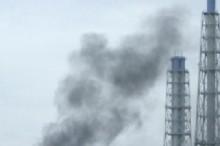
Battle to cool Japan plant as food jitters grow AFP – A Japanese tsunami survivor stands in front of messages displayed on the wall of a relief center in Rikuzentakata, …

TOKYO – Tokyo Water Bureau officials say levels of radioactive iodine in some city tap water is two times the recommended limit for infants.

The officials told reporters Wednesday that a water treatment center in downtown Tokyo that supplies much of the city's tap water found that some water contained 210 becquerels per liter of iodine 131.

They said the limit for consumption of iodine 131 for infants is 100 becquerels per liter. They recommended that babies not be given tap water, although they said the water is not an immediate health risk for adults.

THIS IS A BREAKING NEWS UPDATE. Check back soon for further information. AP's earlier story is below.

HIGASHIMATSUSHIMA, Japan (AP) — Crows cawed overhead as tsunami survivors in devastated towns along Japan's northeast coast buried their dead in makeshift graves en masse Wednesday as workers at Fukushima's overheated nuclear plant struggled to cool down the crippled facility.

With supplies of fuel and ice dwindling, officials have abandoned cremation in favor of quick, simple burials in a show of pragmatism over tradition. Some are buried in bare plywood caskets and others in blue plastic tarps, with no time to build proper coffins. The bodies will be dug up and cremated once crematoriums catch up with the glut, officials assured the families.

In Higashimatsushima in Miyagi prefecture, about 200 miles (320 kilometers) northeast of Tokyo, soldiers lowered bare plywood coffins into the ground, saluting each casket, as families watched from a distance and helicopters occasionally clattered overhead.

Some relatives placed flowers on the graves. Most remained stoic, folding hands in prayer. Two young girls wept inconsolably, hugged tightly by their father.

"I hope their spirits will rest in peace here at this temporary place," said Katsuko Oguni, 42, a relative of the dead.

In Fukushima, the struggle to stabilize the plant suffered another setback Wednesday after a spike in radiation levels forced officials to pull workers and suspend restoring power to the Unit 2 reactor, a Nuclear and Industrial Safety Agency official said in Tokyo.

The setback showed how tenuous the situation remains nearly two weeks after the March 11 earthquake and tsunami knocked out power to the Fukushima complex, allowing radiation leaks that have seeped into vegetables, raw milk, the water supply and even seawater.

Broccoli was added early Wednesday to a list of tainted vegetables that already includes spinach, canola and chrysanthemum greens.

The nuclear crisis has complicated the government's response to the catastrophic earthquake and tsunami that swallowed up villages along the coast. The number of bodies collected stood at more than 9,400, with more than 14,700 people listed as missing. Those tallies may overlap.

Hundreds of thousands remain homeless. Schools, gymnasiums and other community buildings in the northeast are still packed with survivors, many of them elderly suffering after days without heat, medicine and hot meals.

In Fukushima, relief after the lights went on late Tuesday in the control room of Unit 3 made way hours later for concern over radiation levels in Unit 2, putting on hold plans to try restarting the plant's crucial cooling system. The sprawling nuclear complex has six units.

In the first five days after the disasters struck, the Fukushima complex saw explosions and fires in four of the plant's six reactors, and the leaking of radioactive steam into the air. Since then, progress continued intermittently as efforts to splash seawater on the reactors and rewire the complex were disrupted by rises in radiation, elevated pressure in reactors and overheated storage pools.

Missions to dump seawater into one storage pool holding spent nuclear fuel went well, and firefighters continue to spray water on spent fuel pools in two other units, NISA said. Temperature at a seventh, joint spent fuel pool have stabilized, they said Wednesday.

Two workers were slightly injured trying to restore electric cables, neither from radiation, Tokyo Electric Power Co. spokesman Kaoru Yoshida said Wednesday.

Tokyo Electric warned that time is needed to replace damaged equipment and vent any volatile gas to make sure the restored electricity does not spark an explosion.

"You're going to get fires now as they energize equipment," said Arnold Gundersen, the chief engineer at the U.S.-based environmental consulting company Fairewinds Associates. "It's going to be a long slog."

Radiation continues to leak from the site, though the main barriers appear intact, the U.S. Nuclear Regulatory Commission said.

The operator suspects some damage to an inner containment structure at Unit 2 as a result of an earlier explosion there. Also, spent fuel pools in damaged buildings could be releasing some radioactivity into the air.

"I think we have enough information to determine that there's not large holes or excessive releases from those containments, but we continue to see radiation coming from the site ... and the question is where exactly is that coming from," nuclear safety expert James Lyons said at a briefing Tuesday by the International Atomic Energy Agency.

The Health Ministry ordered officials in the area of the stricken plant to increase monitoring of seawater and seafood after elevated levels of radioactive iodine and cesium were found in ocean water near the complex. Education Ministry official Shigeharu Kato said a research vessel had been dispatched to collect and analyze samples.

Doses detected so far are low and not a threat to human health unless the tainted products are consumed in abnormally excessive quantities, government officials and health experts said.

Radiation levels in the air in Tokyo have been well below the global average for naturally occurring background radiation.

___

Yamaguchi reported from Tokyo. Associated Press writers Eric Talmadge in Fukushima, and Yuri Kageyama, Jeff Donn, Tomoko Hokasa, Shino Yuasa and Elaine Kurtenbach in Tokyo, also contributed to this report.

Japan slowly recovers, mourns dead Play Video AP – Japan slowly recovers, mourns dead


http://news.yahoo.com/s/ap/20110323/ap_on_re_as/as_japan_earthquake

Power crumbling, Yemen leader warns of civil war


Anti-government protestors gesture during a demonstration demanding the resignation of Yemeni President Ali Abdullah Saleh, in Sanaa, Yemen, Tuesday, AP – Anti-government protestors gesture during a demonstration demanding the resignation of Yemeni President …

SANAA, Yemen – Yemen's U.S.-backed president, his support crumbling among political allies and the army, warned that the country could slide into a "bloody" civil war Tuesday as the opposition rejected his offer to step down by the end of the year. Tens of thousands protested in the capital demanding his immediate ouster, emboldened by top military commanders who joined their cause.

Ali Abdullah Saleh's apparent determination to cling to power raised fears that Yemen could be pushed into even greater instability. In a potentially explosive split, rival factions of the military have deployed tanks in the capital Sanaa — with units commanded by Saleh's son protecting the president's palace, and units loyal to a top dissident commander protecting the protesters.

The defection on Monday of that commander, Maj. Gen. Ali Mohsen al-Ahmar, a powerful regime insider who commands the army's 1st Armored Division, has been seen by many as a major turning point toward a potentially rapid end for Saleh's nearly 32-year rule.

The question is whether the Yemeni chapter of the uprisings sweeping the Middle East will read more like Egypt — where the resignation of President Hosni Mubarak set the country on a relatively stable, if still uncertain, move toward democracy — or like Libya, which has seen brutal fighting between armed camps.

Already, clashes broke out late Monday between Saleh's Republican Guard and dissident army units in the far eastern corner of the country. On Tuesday, Republican Guard tanks surrounded a key air base in the western Red Sea coastal city of Hodeida after its commander — Col. Ahmed al-Sanhani, a member of Saleh's own clan — announced he was joining the opposition.

The turmoil raised alarm in Washington, which has heavily backed Saleh to wage a campaign against a major Yemen-based al-Qaida wing that plotted attacks in the United States.

U.S. Defense Secretary Robert Gates, on a trip to Russia, said Tuesday that "instability and diversion of attention" from dealing with al-Qaida is a "primary concern about the situation." He refused to weigh in on whether Saleh should step down.

After a month of street protests — led mainly by students and pro-democracy advocates — against his nearly 32-year rule, Saleh became dramatically more isolated after security forces opened fatally shot more than 40 demonstrators on Friday.

The killings set off an avalanche of defections by top figures in his ruling party, influential tribal leaders and, most damagingly, al-Ahmar and a string of other top generals.

In a meeting Tuesday with his still-loyalist military commanders, Saleh railed against the dissidents, calling them "weak" and saying they "dropped away like autumn leaves."

"Those who want to climb to power through a coup should know that things won't stabilize. The nation won't be stable, it will turn into a civil war, to a bloody war, so they should think carefully," he said.

At the same time, he issued a softer statement, saying he "sympathizes with the youth" and calling on protesters to enter a dialogue. He said he believed their movement could "renew the democratic energy" in the country."

Monday night, Saleh pledged in a meeting with senior officials, military commanders and tribal leaders that he would step down by the end of the year, according to a presidential spokesman, Ahmed al-Sufi. Saleh had earlier rejected such a proposal, making a more limited concession of promising not to run for re-election when his term ends in 2013.

But the opposition said the new offer was too little, too late.

"The president's statements are just another political maneuver," said chief opposition spokesman Mohammed al-Sabri. "What was acceptable yesterday is not acceptable for us today."

"There is only one option, that the president announces his resignation and hands over power. Only then can we meet with the president to agree on transferring power," he said.

In Washington, State Department spokesman Mark Toner said Saleh's resignation at year-end would be positive "if this is something that many people respond to and it meets their aspirations."

"What we're looking for is dialogue that leads to a peaceful solution," Toner told reporters.

Protesters massed by the tens of thousands Tuesday afternoon in the downtown Sanaa plaza they have dubbed "Taghyeer," or "Change" square. Crowds ululated, chanted and painted each other's faces in the red, white and black colors of the national flag. Conservative tribesmen bought their wives to the protest, and the women bought their children, all basking in a carnival atmosphere.

The wave of defections and resignations since Friday have included army commanders, ambassadors, members of Saleh's ruling party, lawmakers, provincial governors and some managers of the state-run media. With most pillars of his rule knocked away, Saleh's strongest card remains his family and the loyalist military units they command.

Throughout his rule, Saleh has stayed in power through manipulation and patronage. He has used money to keep the loyalty of powerful tribes, seeded the military with close family members and courted Islamic fundamentalists, using militants as pro-regime fighters against opponents.

Even while his hold on power in Sanaa seemed entrenched, the deeply impoverished nation has been crumbling around him for several years. A powerful secessionist movement has torn apart the south, which was once an independent nation. In the north, Shiite rebels rose up against his military. In many parts of the mountainous nation, which has little infrastructure, discontented tribes all but shook off his authority.

The defections, however, throw the protest movement into the thick of Yemen's deeply complicated politics. The new factions joining in are hardly a unified force.

Al-Ahmar is mistrusted by some. He had a complex relationship with Saleh, seen as both a key ally and a potential rival. He also has close ties to Yemen's Salafis, an ultraconservative Islamic movement that in some ways mirrors al-Qaida's ideology. Yemen's most influential Salafi, Sheik Abdul-Majid al-Zindani, already announced his support for the protesters.

Al-Ahmar is also unpopular in the south, where secessionists have largely backed the protests against Saleh. Al-Ahmar is a veteran of the 1994 civil war that saw Saleh's army suppress an attempt by southern Yemen to secede.

Some protesters expressed fears their movement, which has focused on establishing democratic rule, could be hijacked.

"There are worries, especially after some extremist Salafi and military elements joined," said Bushra al-Maqtari, a leading activist among the protesters. "But we are watchful ... We don't refuse anyone who supports the revolutionaries, even those once linked to the regime. But we are all in agreement that they don't have the right to speak in the name of the revolution."

Also joining the protesters have been top figures from Yemen's most powerful tribe, the Hashid, to which Saleh himself and al-Ahmar belong. Among them are the tribe's leader Sheik Sadeq al-Ahmar and his brothers — Hamid, an influential businessman who has long been a critic of the president, and Himyar, formerly the deputy parliament speaker.

Sheik Sadeq spoke to protesters in Change Square on Tuesday, trying to reassure them. "Don't be afraid or listen to rumors that say that the tribes or military will hijack the revolution," he said. "We are with you. We will support your demands. We will not be an alternative. Don't listen to rumors."

But the Hashid support also raised worries the tribe is seeking to maintain its status by backing Ali Mohsen al-Ahmar as a successor to Saleh.

A top American concern is that al-Qaida or other Islamic militants could fill any power vacuum. Several hundred al-Qaida militants are believed to be operating in the country, taking refuge in remote areas.

Late Tuesday, Yemen's Interior Ministry said in a statement that 12 al-Qaida fighters had been killed in clashes with the army in the town of Lawder in the southern province of Abyan.

The country has a strong Islamic radical movement, not directly belonging to al-Qaida, including thousands of veterans of "jihad" in other countries.

Ironically, those radicals could also be a card in Saleh's hand. In the south in particular, his regime has used militants to put down seccessionists.

For the past two days, armed Islamic militants have been on a rampage in the southern city of Aden, breaking into nightclubs, throwing out patrons and setting fire to buildings. They spraypainted graffiti on buildings around the city, reading "The people want the rule of God."

Yemenis rally against government Slideshow:Yemenis rally against government

___

Keath reported from Cairo.


http://news.yahoo.com/s/ap/20110323/ap_on_re_mi_ea/ml_yemen

AP IMPACT: US spent-fuel storage sites are packed


FILE - This April 14, 1998 file photo shows the defunct Maine Yankee nuclear power plant in Wiscasset, Maine. The nuclear crisis in Japan has laid bar AP – FILE - This April 14, 1998 file photo shows the defunct Maine Yankee nuclear power plant in Wiscasset, …

The nuclear crisis in Japan has laid bare an ever-growing problem for the United States — the enormous amounts of still-hot radioactive waste accumulating at commercial nuclear reactors in more than 30 states.

The U.S. has 71,862 tons of the waste, according to state-by-state numbers obtained by The Associated Press. But the nation has no place to permanently store the material, which stays dangerous for tens of thousands of years.

Plans to store nuclear waste at Nevada's Yucca Mountain have been abandoned, but even if a facility had been built there, America already has more waste than it could have handled.

Three-quarters of the waste sits in water-filled cooling pools like those at the Fukushima Dai-ichi nuclear complex in Japan, outside the thick concrete-and-steel barriers meant to guard against a radioactive release from a nuclear reactor.

Spent fuel at Dai-ichi overheated, possibly melting fuel-rod casings and spewing radiation into the air, after Japan's tsunami knocked out power to cooling systems at the plant.

The rest of the spent fuel from commercial U.S. reactors has been put into dry cask storage, but regulators only envision those as a solution for about a century and the waste would eventually have to be deposited into a Yucca-like facility.

The U.S. nuclear industry says the waste is being stored safely at power-plant sites, though it has long pushed for a long-term storage facility. Meanwhile, the industry's collective pile of waste is growing by about 2,200 tons a year; experts say some of the pools in the United States contain four times the amount of spent fuel that they were designed to handle.

The AP analyzed a state-by-state summary of spent fuel data based on information that nuclear power plants voluntarily report every year to the Nuclear Energy Institute, an industry and lobbying group. The NEI would not make available the amount of spent fuel at individual power plants.

While the U.S. Department of Energy previously reported figures on overall spent fuel storage, it no longer has updated information available. A spokesman for the U.S. Nuclear Regulatory Commission, which oversees nuclear power plant safety, said the capacities of fuel pools are public record, but exact inventories of spent fuel are tracked in a government database kept confidential for security reasons.

The U.S. has 104 operating nuclear reactors, situated on 65 sites in 31 states. There are another 15 permanently shut reactors that also house spent fuel.

Four states have spent fuel even though they don't have operating commercial plants. Reactors in Colorado, Oregon and Maine are permanently shut; spent fuel from all three is stored in dry casks. Idaho never had a commercial reactor, but waste from the 1979 Three Mile Island accident in Pennsylvania is being stored at a federal facility there.

Illinois has 9,301 tons of spent nuclear fuel at its power plants, the most of any state in the country, according to industry figures. It is followed by Pennsylvania with 6,446 tons; 4,290 in South Carolina and roughly 3,780 tons each for New York and North Carolina.

Spent nuclear fuel is about 95 percent uranium. About 1 percent are other heavy elements such as curium, americium and plutonium-239, best known as fuel for nuclear weapons. Each has an extremely long half-life — some take hundreds of thousands of years to lose all of their radioactive potency. The rest, about 4 percent, is a cocktail of byproducts of fission that break down over much shorter time periods, such as cesium-137 and strontium-90, which break down completely in about 300 years.

How dangerous these elements are depends on how easily can find their way into the body. Plutonium and uranium are heavy, and don't spread through the air well, but there is a concern that plutonium could leach into water supplies over thousands of years.

Cesium-137 is easily transported by air. It is cesium-137 that can still be detected in a New Jersey-sized patch of land around the Chernobyl reactor that exploded in the Ukraine in 1986.

Typically, waste must sit in pools at least five years before being moved to a cask or permanent storage, but much of the material in the pools of U.S. plants has been stored there far longer than that.

Safety advocates have long urged the NRC to force utility operators to reduce the amount of spent fuel in their pools. The more tightly packed they are, the more quickly they can overheat and spew radiation into the environment in case of an accident, a natural disaster or a terrorist attack.

Industry leaders say new technology has made fuel pools safer, and regulators have taken some steps since the 9/11 terror attacks to reduce fuel pool risks. Kevin Crowley, who directs the nuclear and radiation studies board at the National Academy of Sciences, says lessons will be learned from the crisis in Japan. And NRC Chairman Gregory Jaczko says his agency will review how spent fuel is stored in the U.S.

A 2004 report by the academy suggested that fresh spent fuel, which is radioactively hotter, be spread among older, cooler assemblies in the spent fuel pool. "You're buying yourself time, basically," says Crowley. "The cooler ones can act as a thermal buffer."

First Energy, which runs two nuclear power stations in Ohio and one in Pennsylvania, was able to reconfigure the spent fuel rods in its pools to make more room. Still, the company is now running out of space, says spokesman Todd Schneider. Ohio has 1,136 tons of spent fuel in pools and 37 tons in dry casks.

The casks in the U.S. are kept outdoors, generally on concrete pads, but industry officials insist they are safe. Unlike the pools, the casks don't need electricity; they are cooled by air circulation.

One cask model, selling for $1.5 million, places spent fuel inside a stainless steel canister, which is placed inside an "overpack" — an outside shell composed of a layer of carbon steel, 27 inches of concrete and another layer of carbon steel. When in place, the system stands 20 feet tall and weighs 150,000 pounds, said Joy Russell, a spokeswoman for manufacturer Holtec International of Florida.

Russell said engineers have designed the system to withstand a crash from an F-16 fighter jet and survive the resulting jet fuel fire.

Plant operators in some states have moved aggressively to dry cask storage. Virginia has 1,533 tons of nuclear waste in dry storage and 1,105 tons in spent fuel pools. Maryland has 844 tons in dry storage and 588 tons in spent fuel pools.

Utilities in Texas, though, have not. There are 2,178 tons kept in spent fuel pools at reactor sites there, and zero in dry casks. In New York, 3,345 tons are in spent fuel pools while only 454 tons are in dry storage.

No cask is totally invulnerable, but the academy report found that radioactive releases from casks would be relatively low.

"If you attacked a fuel cask and managed to put a hole in it, anything that came out, the consequences would be very local," Crowley said.

Casks can be licensed for 20 years, with renewals, said Carrie Phillips, a spokeswoman for the Atlanta-based Southern Co., which has a dozen such casks at its two-reactor Joseph M. Farley plant near Columbia, Ala. She said officials have "every expectation" the casks could last "in excess of 100 years by design."

But not the needed tens of thousands of years. For long-term storage, the government had looked to Yucca Mountain. It was designed to hold 77,160 tons — 69,444 tons designated for commercial waste and 7,716 for military waste. That means the current inventory already exceeds Yucca's original planned capacity.

A 1982 law gave the federal government responsibility for the long-term storage of nuclear waste and promised to start accepting waste in 1998. After 20 years of study, Congress passed a law in 2002 to build a nuclear waste repository deep in Yucca Mountain.

The federal government spent $9 billion developing the project, but the Obama administration has cut funding and recalled the license application to build it. Nevadans have fiercely opposed Yucca Mountain, though a collection of state governments and others are taking legal action to reverse the decision.

Despite his Yucca Mountain decision, President Barack Obama wants to expand nuclear power. He created a commission last year to come up with a long-term nuclear waste plan. Initial findings are expected this summer, with a final plan expected in January.

"They are 13 years late," says Terry Pickens, Director of Nuclear Policy at Xcel Energy, the Minneapolis-based utility that operates three reactors in Minnesota. Xcel is building steel-and-concrete cask containers to hold old waste on site, and suing the government periodically to pay for them. "We would like them to get done with what they said they would get done."

Some countries — such as France, Japan, Russia and the United Kingdom — reprocess their spent fuel into new nuclear fuel to help reduce the amount of waste.

The remaining waste is solidified into a glass. It needs to be stored in a long-term waste repository, but reprocessing reduces the volume of waste by three-quarters.

Because reprocessing isolates plutonium, which can be used to make a nuclear weapon, Presidents Gerald Ford and Jimmy Carter put a stop to it in the U.S. The ban was later overturned, but the country still does not reprocess.

France produces 1,300 tons of nuclear waste per year, and reprocesses 940 tons. Still, fuel is only reprocessed once and then it, too, needs to be stored. France is expecting that engineers will eventually succeed in building a new type of nuclear reactor called a fast reactor that will use the waste it can't reprocess as fuel.

"They've kicked the can down the road," says Frank von Hippel, a director of the Program on Science and Global Security at Princeton University.

Other countries, such as Germany, store spent fuel in casks. Finland is building a repository it says will store waste safely for 100,000 years.

Even though there is no long-term storage in the U.S., utility customers and taxpayers have been paying for it — twice.

Customers have paid $24 billion into a fund Congress established in 1982 to pay for such storage. The charge — a penny for every 10 kilowatt-hours — would typically add up to about $11 a year for a household that received all its electricity from nuclear plants.

Users pay as taxpayers, too — for dry storage. Utilities that have run out of storage space in pools successfully sued the federal government for breach of contract, because it failed to keep to the 1998 deadline to establish long-term storage. By law, the money for dry casks cannot come from the nuclear waste fund, and must come from the federal budget.

  • Japan nuke plants get power, massive cleanup on Play Video Earthquakes Video:Japan nuke plants get power, massive cleanup on AP
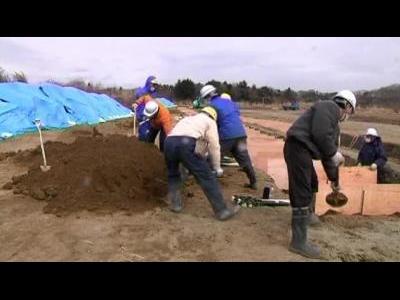
  • Quake victims buried in mass graves Play Video Earthquakes Video:Quake victims buried in mass graves Reuters

  • http://news.yahoo.com/s/ap/20110323/ap_on_bi_ge/us_japan_quake_us_spent_fuel

    Who are the Libyan rebels?

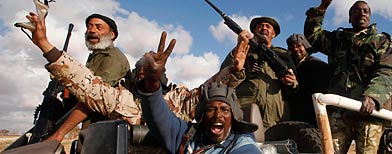
    Libyan rebels on the road between Benghazi and Ajdabiyah (Suhaib Salem/Reuters)

    Tue Mar 22, 6:00 pm ET

    Who are the Libyan rebels? U.S. tries to figure out


    When a U.S. Air Force pilot ejected from his crashing F-15 Eagle fighter jet and landed in rebel-held eastern Libya overnight Tuesday, he soon found that he was in friendly hands.

    "He was a very nice guy," Libyan businessman Ibrahim Ismail told Newsweek of the initially quite anxious American pilot. "He came to free the Libyan people." Rebel officials dispatched a doctor to attend to the pilot and presented him with a bouquet of flowers, according to Newsweek.

    But the U.S. government, now engaged in a fourth day of air strikes against Libyan regime military targets, does not know very much about the rebels who now see it as a friendly ally in their fight to overthrow Muammar Gadhafi.

    Secretary of State Hillary Clinton held a 45-minute, closed-door meeting with Mahmoud Jibril, a leader of the newly formed Libyan opposition Interim National Council in a luxury Paris hotel earlier this month. But in a clear signal of America's wariness about all the unknowns, Clinton gave no public statement after their meeting and did not appear in photographs with the rebel leader. (By contrast, a week earlier French President Nicholas Sarkozy bestowed formal diplomatic recognition on the Council and was photographed shaking hands with its emissaries Jibril and Ali Essawi on the steps of the Elysee Palace.)

    Middle East policy watchers note a glaring disconnect between the buoyant expectations of some rebel supporters that the international military coalition will provide direct air support for their armed struggle, and the insistence of U.S. military commanders that their mandate allows for no such thing.

    The coalition mission doesn't include protecting forces engaged in combat against Libyan leader Muammar Gadhafi's forces, Gen. Carter Ham, the commander of U.S. Africa Command, told reporters Monday. His mission, Ham said, is narrowly confined to preventing Gadhafi forces from attacking civilians, getting Gadhafi's forces to pull back from rebel-held towns, and allowing civilians humanitarian access to food, water, and electricity/gas supplies, Ham said.

    So who are the Libyan rebels with whom we now seem (for better or for worse) to be joined with in a shared fight against Gadhafi?

    One view has it that the Libyan rebels are basically peaceful protesters who found their demonstrations against Gadhafi met with bullets and had no choice but to resort to violence.

    "The protesters are nice, sincere people who want a better future for Libya," Human Rights Watch Emergencies Director Peter Bouckaert told South Africa's Business Day. "But their strength is also their weakness: they aren't hardened fighters, so no one knows what the end game will be."

    "This is not really a civil war between two equal powers--it started as a peaceful protest movement and was met with bullets," Bouckaert continued. "Now you have a situation where you have a professional and heavily equipped army fighting a disorganized and inexperienced bunch of rebels who stand little chance against them."

    Still, the rebels are largely unknown to the American government, despite initial tentative meetings such as Clinton's and some meetings held by U.S. Ambassador to Libya Gene Cretz with opposition representatives. (Cretz is now working out of the State Department, as the United States has withdrawn its diplomatic presence.) Last week, President Barack Obama appointed an American diplomat, Chris Stevens, to be the U.S. liaison to the Libyan opposition.

    "We don't have the comfort level with the rebels," said the National Security Network's Joel Rubin, a former State Department official. "We certainly know some things about them, had meetings. It's not as if there's complete blindness. But I don't think at this stage the comfort level is there for that kind of close coordination."

    But the Libyan rebels seem to have found western consultants who have offered advice on reassuring buzzwords the West would like to hear. On Tuesday, the Interim National Council issued just such a soothing statement from their rebel stronghold of Benghazi.

    "The Interim National Council is committed to the ultimate goal of the revolution which is to build a democratic civil state, based on the rule of law, respect for human rights including ... equal rights and duties for all citizens, ... equality between men and women, " the Council said in their statement.

    The Council also "reaffirms that Libya's foreign policy will be based on mutual respect and ... respect [for] international law and international humanitarian law," the group said.

    (Photo, top: Libyan rebels on the road between Benghazi and Ajdabiyah: Suhaib Salem/Reuters. Photo, middle: France's President Nicolas Sarkozy shakes hands with Libyan Interim National Council emissaries Mahmoud Jibril (R) and Ali Essawi after a meeting at the Elysee Palace in Paris March 10, 2011: Gonzalo Fuentes/Reuters)


    http://news.yahoo.com/s/yblog_theenvoy/20110322/ts_yblog_theenvoy/who-are-the-libyan-rebels-u-s-tries-to-figure-out

    Tuesday, March 22, 2011

    Anak tak sah taraf cecah 234,647

    Oleh Johari Ibrahim

    2011/03/21

    JPN ajak pelbagai pihak tangani segera gejala sosial

    PUTRAJAYA: Jumlah kelahiran anak tidak sah taraf iaitu bayi hasil hubungan luar nikah, menunjukkan pola meningkat antara 2006 hingga 2010 dengan jumlah keseluruhan sebanyak 234,647 didaftarkan dalam tempoh itu daripada lebih dua juta kelahiran didaftarkan Jabatan Pendaftaran Negara (JPN).

    http://www.bharian.com.my/bharian/articles/Anaktaksahtarafcecah234_647/Article

    Pencemaran radiasi dalam makanan di Jepun serius


    GAMBAR tidak bertarikh Jabatan Kesihatan Taiwan yang disiarkan kelmarin menunjukkan sampel kacang parang tercemar radiasi yang diimport dari Jepun.


    TOKYO - Pertubuhan Kesihatan Sedunia (WHO) menyatakan pencemaran radiasi dalam makanan susulan letupan di loji nuklear Fukushima-Daiichi akibat gempa bumi dan tsunami merupakan situasi yang serius.

    Dalam satu kenyataannya semalam, WHO memberitahu bahawa debu radioaktif yang kini tersebar di udara telah menyebabkan makanan dan bekalan air bersih tercemar.

    "Tidak dapat dinafikan, pencemaran ini adalah serius," kata jurucakap WHO di Manila, Peter Cordingley dalam wawancara telefon dengan agensi berita Reuters.

    "Ia jauh lebih serius berbanding jangkaan awal bahawa pencemaran ini cuma terhad dalam lingkungan 20 hingga 30 kilometer dari loji tersebut. Beberapa bahan makanan tercemar telah ditemui di luar zon kontaminasi," tambahnya.

    Susulan perkembangan tersebut, Kementerian Luar Jepun menggesa orang ramai yang tinggal dekat dengan loji berkenaan supaya tidak meminum air paip selepas ia dikesan mengandungi bahan iodin radioaktif.

    Setakat ini, beberapa kes sayuran dan susu dicemari radiasi mencetuskan kebimbangan di Jepun dan negara-negara serantau walaupun Tokyo berulang kali memberi jaminan bahawa tahap pencemaran itu tidak merbahaya.

    Sebagai langkah pencegahan, kerajaan Jepun melarang penjualan susu mentah dari negeri Fukushima dan bayam di sebuah kawasan berdekatan. Mengulangi jaminan kerajaan Jepun sebelum ini, Cordingley berkata, tiada bukti bahawa makanan tercemar yang dikeluarkan di Fukushima sampai ke negara-negara lain.


    BEBERAPA pekerja sedang menyiapkankubur besar untuk mengebumikanmangsa-mangsa tsunami di BandarHigashimatsushima, negeri Miyagi.


    Jepun mengeksport buah-buahan, sayuran, produk tenusu dan makanan laut dengan Hong Kong, China dan Amerika Syarikat (AS) merupakan pelanggan terbesarnya.

    Sementara itu, Ketua Agensi Tenaga Atom Antarabangsa (IAEA), Yukiya Amano mengaku situasi nuklear Jepun masih amat serius tetapi memberi jaminan negara itu akan dapat menanganinya secara efektif.

    Amano melahirkan keyakinan itu ketika mempengerusikan satu mesyuarat tergempar 35 negara yang membentuk lembaga pentadbiran IAEA di Vienna semalam.

    "Krisis loji nuklear Fukushima-Daiichi yang terletak 240 kilometer ke utara Tokyo masih belum selesai dengan situasi di loji itu masih serius. Namun saya yakin ia akan dapat ditangani," katanya.

    Beberapa reaktor nuklear di loji Fukushima-Daiichi meletup dan terbakar seterusnya melepaskan pencemaran radiasi sejak timur laut Jepun dilanda gempa bumi kuat berukuran 9 pada skala Richter dan tsunami pada 11 Mac lalu.

    Setakat ini, angka rasmi kematian adalah 8,450 orang dengan 12,931 masih hilang manakala anggaran kerugian akibat malapetaka berkembar itu mencecah AS$235 bilion (RM717 bilion). - Reuters


    http://www.kosmo.com.my/kosmo/content.asp?y=2011&dt=0322&pub=Kosmo&sec=Dunia&pg=du_01.htm

    Related Posts Plugin for WordPress, Blogger...